

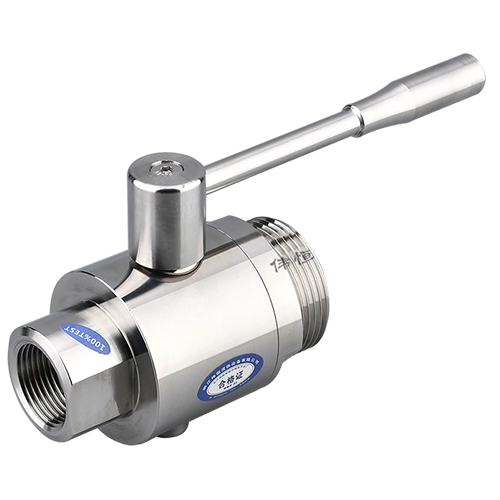
Sanitary Pipe Fittings for Allergen-Free Production Lines: Design, Selection, and Industry Trends
Industry Background and Market Demand
The food, pharmaceutical, and biotechnology industries face increasing regulatory scrutiny regarding allergen control. Cross-contamination in production lines can lead to severe health risks, product recalls, and reputational damage. As a result, manufacturers are adopting sanitary pipe fittings designed specifically for allergen-free production to ensure compliance with hygiene standards such as FDA, EHEDG, and 3-A.
The demand for allergen-free production has grown due to stricter labeling laws (e.g., EU Regulation No. 1169/2011) and rising consumer awareness. Companies now prioritize equipment that minimizes contamination risks, particularly in facilities handling dairy, nuts, gluten, or soy. Sanitary pipe fittings play a critical role in maintaining cleanable, residue-free fluid transfer systems.
Core Concepts: Sanitary Design and Allergen Mitigation
Sanitary pipe fittings for allergen-free production must meet three key criteria:
1. Smooth, Non-Porous Surfaces – Eliminate crevices where allergens can accumulate.
2. Drainability – Prevent liquid pooling to avoid microbial growth.
3. Material Compatibility – Resist corrosion and degradation from cleaning agents.
The E-E-A-T (Experience, Expertise, Authoritativeness, Trustworthiness) framework applies here—manufacturers must demonstrate technical proficiency in hygienic engineering to ensure compliance.
Product Structure, Materials, and Manufacturing
1. Design Features
- Tri-Clamp (Triple Lobe) Connections – Ensure quick disassembly for cleaning and inspection.
- Electropolished Finishes – Reduce surface roughness (Ra ≤ 0.8 µm) to prevent allergen adherence.
- Radiused Corners – Eliminate dead zones where residues could accumulate.
2. Material Selection
- Stainless Steel (316L/1.4404) – Preferred for corrosion resistance and durability.
- EPDM or PTFE Gaskets – Non-reactive and resistant to high-temperature CIP/SIP processes.
3. Manufacturing Standards
- ASME BPE (Bioprocessing Equipment) – Ensures compliance with pharmaceutical-grade requirements.
- ISO 2852 – Specifies dimensions and tolerances for hygienic clamp fittings.
Key Factors Affecting Performance
1. Surface Finish – Rough surfaces increase allergen retention; electropolishing is critical.
2. Seal Integrity – Poor gasket selection can lead to leaks and contamination.
3. Cleaning Protocol Compatibility – Must withstand frequent CIP (Clean-in-Place) cycles with caustic solutions.
Supplier Selection Criteria
When sourcing sanitary pipe fittings, evaluate suppliers based on:
- Certifications (3-A, EHEDG, FDA).
- Material Traceability – Full documentation of alloy composition.
- Customization Capability – Ability to modify fittings for unique production layouts.
Common Industry Challenges
- Cross-Contamination Risks – Improperly designed fittings can harbor allergens.
- High Maintenance Costs – Frequent disassembly increases labor and downtime.
- Regulatory Variability – Compliance requirements differ by region (e.g., FDA vs. EU).
Application Scenarios
1. Dairy Processing – Preventing cross-contact between lactose-free and conventional milk lines.
2. Bakery Production – Ensuring gluten-free lines remain uncontaminated.
3. Pharmaceuticals – Maintaining sterile fluid paths in injectable drug manufacturing.
Current Trends and Future Outlook
1. Smart Fittings – IoT-enabled sensors to monitor cleanliness and detect biofilm formation.
2. Advanced Coatings – Nanotechnology-based surfaces to repel allergens.
3. Modular Systems – Quick-connect designs for faster line reconfiguration.
FAQ Section
Q: How often should sanitary fittings be inspected in allergen-free production?
A: Weekly visual checks and quarterly full disassembly are recommended, depending on the allergen risk level.
Q: Can existing pipe fittings be retrofitted for allergen control?
A: Only if they meet current hygienic standards; otherwise, replacement is advised.
Q: What is the most critical factor in preventing allergen retention?
A: Surface finish—electropolished fittings with Ra ≤ 0.8 µm significantly reduce residue buildup.
By adopting sanitary pipe fittings designed for allergen-free production, manufacturers can enhance safety, reduce compliance risks, and improve operational efficiency. The industry’s shift toward smarter, more adaptable systems underscores the importance of continuous innovation in hygienic design.
Tel: +86 577 8699 9257
Tel: +86 135 8786 5766 / +86 137 32079372
Email: wzweiheng@163.com
Address : Hindi. 1633, Yidaoba Road, Binhai Industrial Park, Wenzhou City, Lalawigan ng Zhejiang

I -scan ang WeChat
Gumagamit ang website na ito ng cookies upang matiyak na makukuha mo ang pinakamahusay na karanasan sa aming website.
 English
 Español
 Portugues
 Pусский
 Français
 Deutsch
 한국어
한국어 العربية
 Italiano
 ไทย
ไทย Türk dili
 हिन्दी
 Melayu
 Tiếng Việt
 dansk
dansk қазақ
қазақ বাংলা
বাংলা українська
 o'zbek



 Telepono
Magkomento
(0)