

Industrial-Grade Valves for Petrochemical Refineries: Design, Performance, and Future Trends
Industry Background and Market Demand
The petrochemical refining industry relies on precision-engineered valves to control the flow of highly corrosive, high-pressure, and high-temperature fluids. With global energy demand rising, refineries must operate at peak efficiency while adhering to stringent safety and environmental regulations. Industrial-grade valves are critical in ensuring process integrity, minimizing downtime, and preventing hazardous leaks.
Market demand is driven by aging infrastructure upgrades, expansion in shale gas processing, and the shift toward cleaner refining technologies. According to industry reports, the global industrial valves market is projected to grow at a CAGR of 4–5% over the next decade, with petrochemical applications accounting for a significant share.
Core Concepts and Key Technologies
Industrial valves for petrochemical refineries must withstand extreme conditions while maintaining precise control. The primary types include:
- Gate Valves: Used for on/off control in high-pressure pipelines.
- Globe Valves: Ideal for throttling and flow regulation.
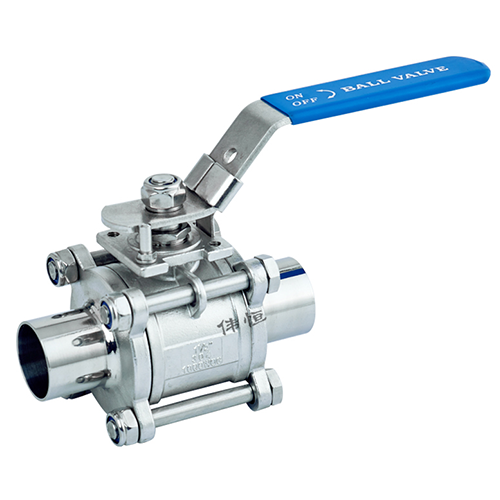
- Ball Valves: Provide quick shut-off in high-flow applications.
- Butterfly Valves: Cost-effective for large-diameter, low-pressure systems.
- Check Valves: Prevent backflow in critical processes.
Advanced sealing technologies, such as metal-to-metal and resilient elastomer seals, enhance leak resistance. Actuation systems—manual, pneumatic, hydraulic, or electric—determine operational efficiency, with smart actuators increasingly integrated for remote monitoring.
Product Structure, Materials, and Manufacturing
Valve performance hinges on material selection and precision engineering. Common materials include:
- Carbon Steel: Cost-effective for general service.
- Stainless Steel (316/304): Resists corrosion in acidic environments.
- Duplex & Super Duplex Steel: High strength for sour gas (H₂S) applications.
- Alloy 20 & Hastelloy: Used in highly corrosive media.
- Titanium: Lightweight yet durable for offshore applications.
Manufacturing processes involve CNC machining, investment casting, and forgings to ensure dimensional accuracy. Post-weld heat treatment (PWHT) and non-destructive testing (NDT) validate structural integrity.
Critical Factors Affecting Quality and Performance
Several factors determine valve reliability:
1. Pressure-Temperature Ratings: Valves must comply with ASME B16.34 standards.
2. Sealing Integrity: Fugitive emissions (ISO 15848-1 compliance) are a major concern.
3. Corrosion Resistance: Material compatibility with process fluids is essential.
4. Cyclic Fatigue Life: Frequent operation demands robust stem and disc designs.
5. Maintenance Accessibility: Ease of repair reduces downtime.
Supplier Selection and Supply Chain Considerations
Choosing a reliable valve supplier involves:
- Certifications: API 600, API 6D, ISO 9001, and PED compliance.
- Testing Capabilities: Hydrostatic, cryogenic, and fire-safe testing.
- Lead Times & Inventory: Just-in-time availability vs. long procurement cycles.
- After-Sales Support: Availability of spare parts and technical assistance.
Common Challenges and Industry Pain Points
Petrochemical refineries face several valve-related issues:
- Fugitive Emissions: Poor sealing leads to environmental violations.
- Cavitation & Erosion: High-velocity flow damages valve internals.
- Material Degradation: Sulfidation and chloride stress corrosion cracking (CSCC).
- Obsolescence: Older valves lack compatibility with modern automation systems.
Applications and Case Studies
Valves are deployed across refinery processes:
- Crude Distillation: Gate valves manage high-temperature crude oil flow.
- Hydroprocessing: High-pressure globe valves control hydrogen feed.
- Sulfur Recovery Units: Alloy 20 check valves prevent backflow in corrosive streams.
- Offshore Platforms: Titanium ball valves resist seawater corrosion.
A North American refinery reduced unplanned shutdowns by 30% after upgrading to super duplex steel valves in its sour gas handling unit.
Current Trends and Future Developments
Emerging innovations include:
- Smart Valves: IoT-enabled sensors for predictive maintenance.
- Additive Manufacturing: 3D-printed components for rapid prototyping.
- Low-Emission Designs: Zero-leakage standards (TA-Luft, API 622).
- Green Hydrogen Valves: New materials for hydrogen embrittlement resistance.
- Modular Valve Trains: Pre-assembled skids for faster installation.
FAQ
Q: What valve material is best for sour gas applications?
A: Duplex or super duplex steel offers superior resistance to H₂S-induced cracking.
Q: How often should refinery valves be inspected?
A: API 570 recommends inspections every 3–5 years, with critical valves checked annually.
Q: Can existing valves be retrofitted with smart actuators?
A: Yes, but compatibility with valve torque requirements must be verified.
Q: What causes valve cavitation, and how is it mitigated?
A: Rapid pressure drops create vapor bubbles; multi-stage trim or anti-cavitation designs reduce damage.
Conclusion
Industrial valves are indispensable in petrochemical refining, where performance directly impacts safety, efficiency, and regulatory compliance. As refineries adopt digitalization and stricter environmental norms, valve manufacturers must innovate in materials, sealing technologies, and predictive maintenance. Strategic supplier partnerships and adherence to global standards will remain critical in meeting evolving industry demands.
Tel: +86 577 8699 9257
Tel: +86 135 8786 5766 / +86 137 32079372
Email: wzweiheng@163.com
Address : Hindi. 1633, Yidaoba Road, Binhai Industrial Park, Wenzhou City, Lalawigan ng Zhejiang

I -scan ang WeChat
Gumagamit ang website na ito ng cookies upang matiyak na makukuha mo ang pinakamahusay na karanasan sa aming website.
 English
 Español
 Portugues
 Pусский
 Français
 Deutsch
 한국어
한국어 العربية
 Italiano
 ไทย
ไทย Türk dili
 हिन्दी
 Melayu
 Tiếng Việt
 dansk
dansk қазақ
қазақ বাংলা
বাংলা українська
 o'zbek



 Telepono
Magkomento
(0)